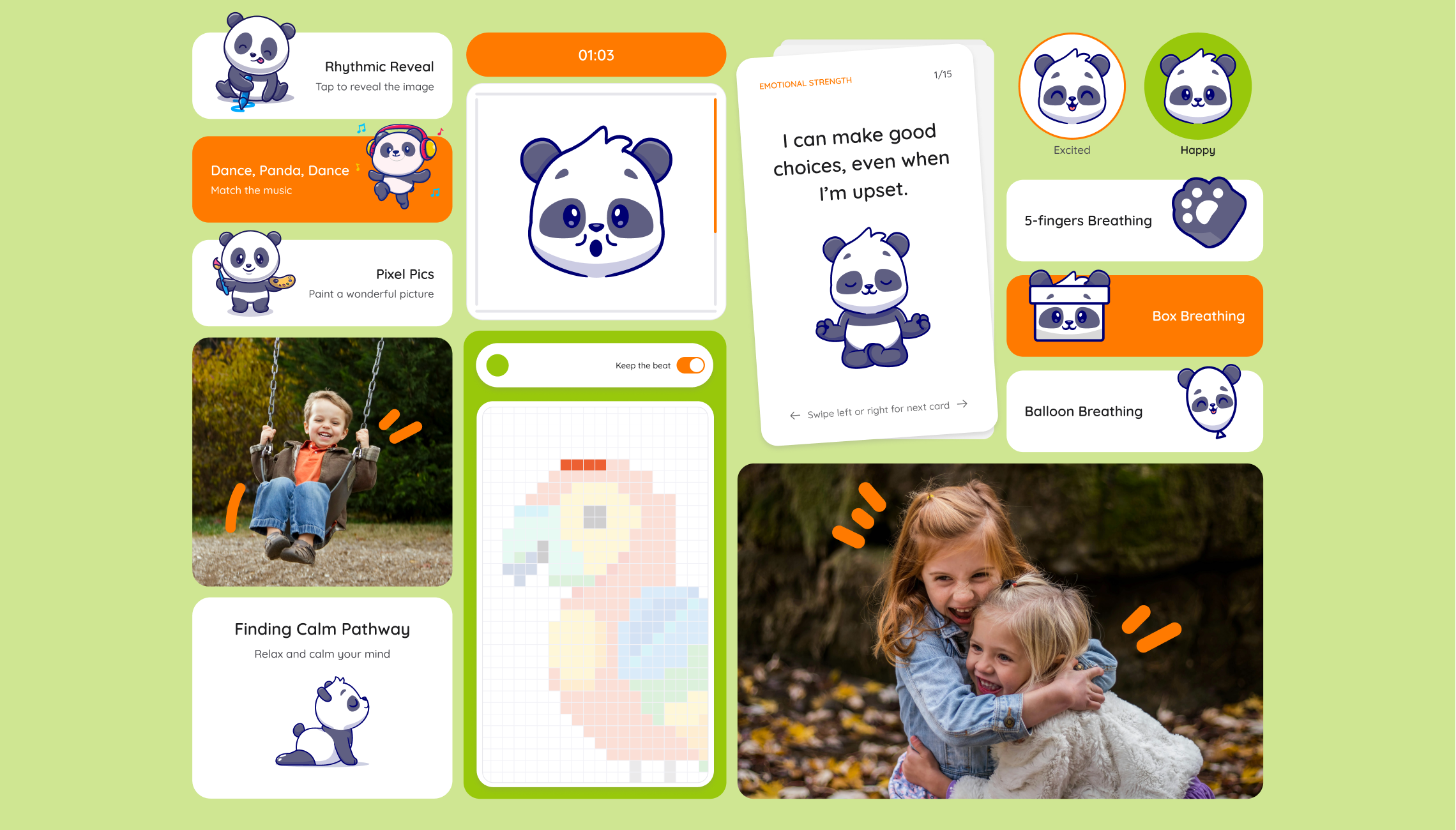
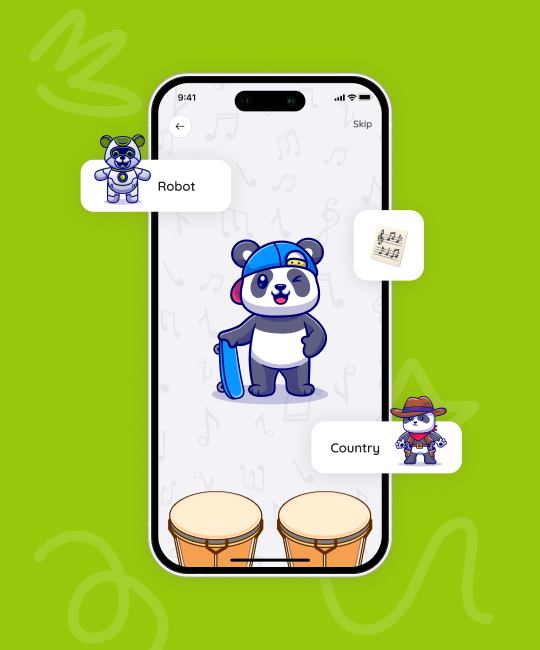
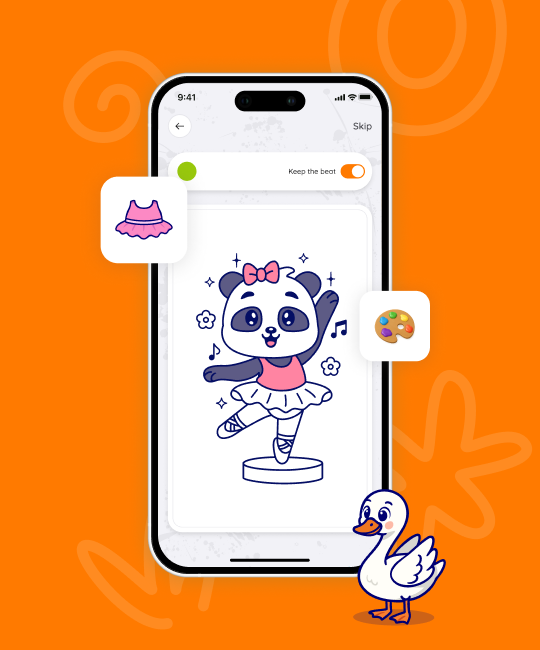
The primary challenge was to create a tool that children actually want to use while providing parents with deep, actionable insights. In a market full of passive content, we focused on active emotional "check-ins." However, children in this age group rarely have their own devices, meaning the app had to support a shared-device model.
This led to a strategic two-tier architecture: a playful, rewarding "Child Level" and a data-driven "Master Level" for parents. We maintained a unified, playful brand identity across both levels, ensuring that the Panda mascot acts as a consistent guide for the whole family, turning emotional tracking into a collaborative and supportive ritual rather than a chore.
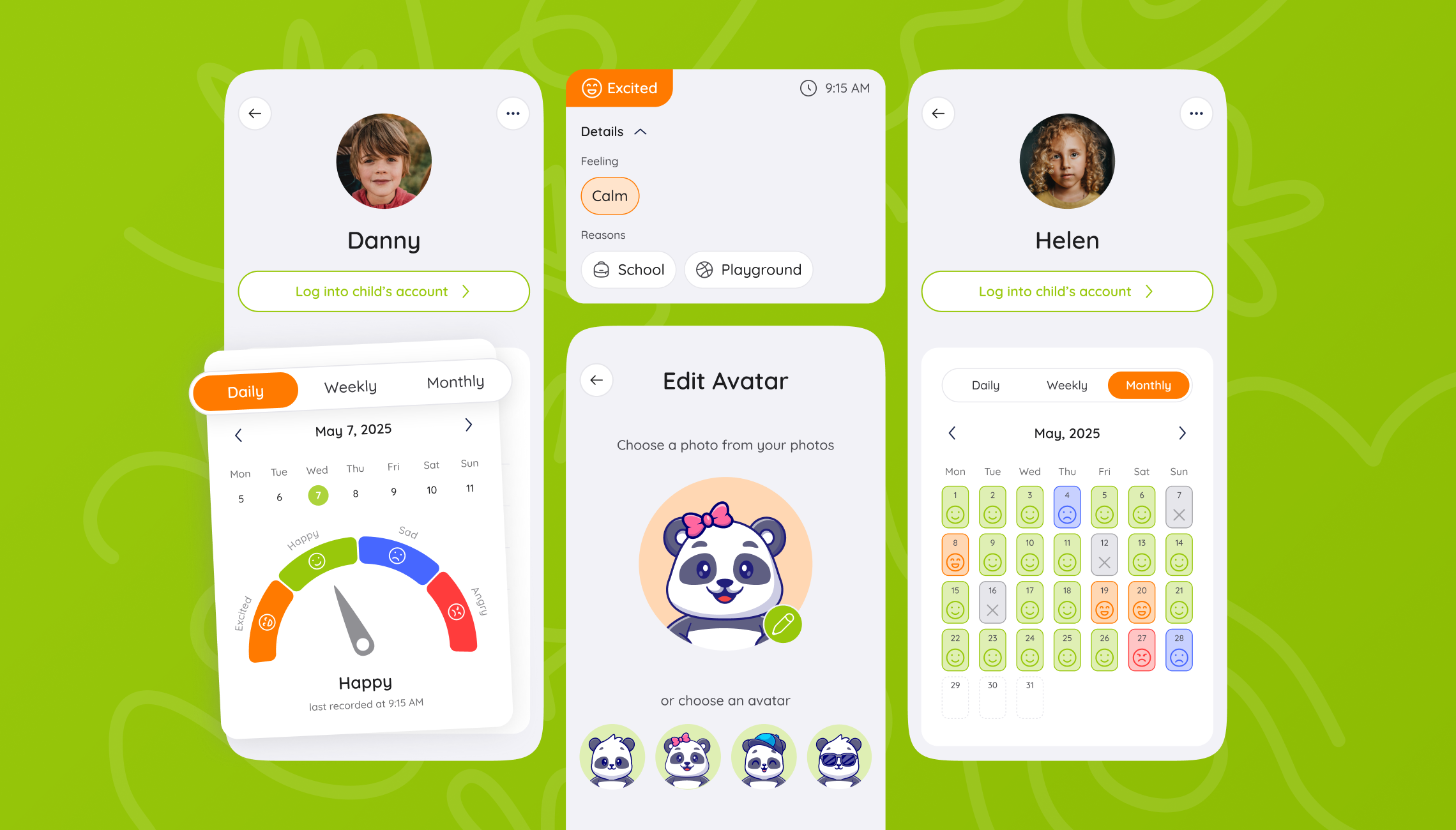
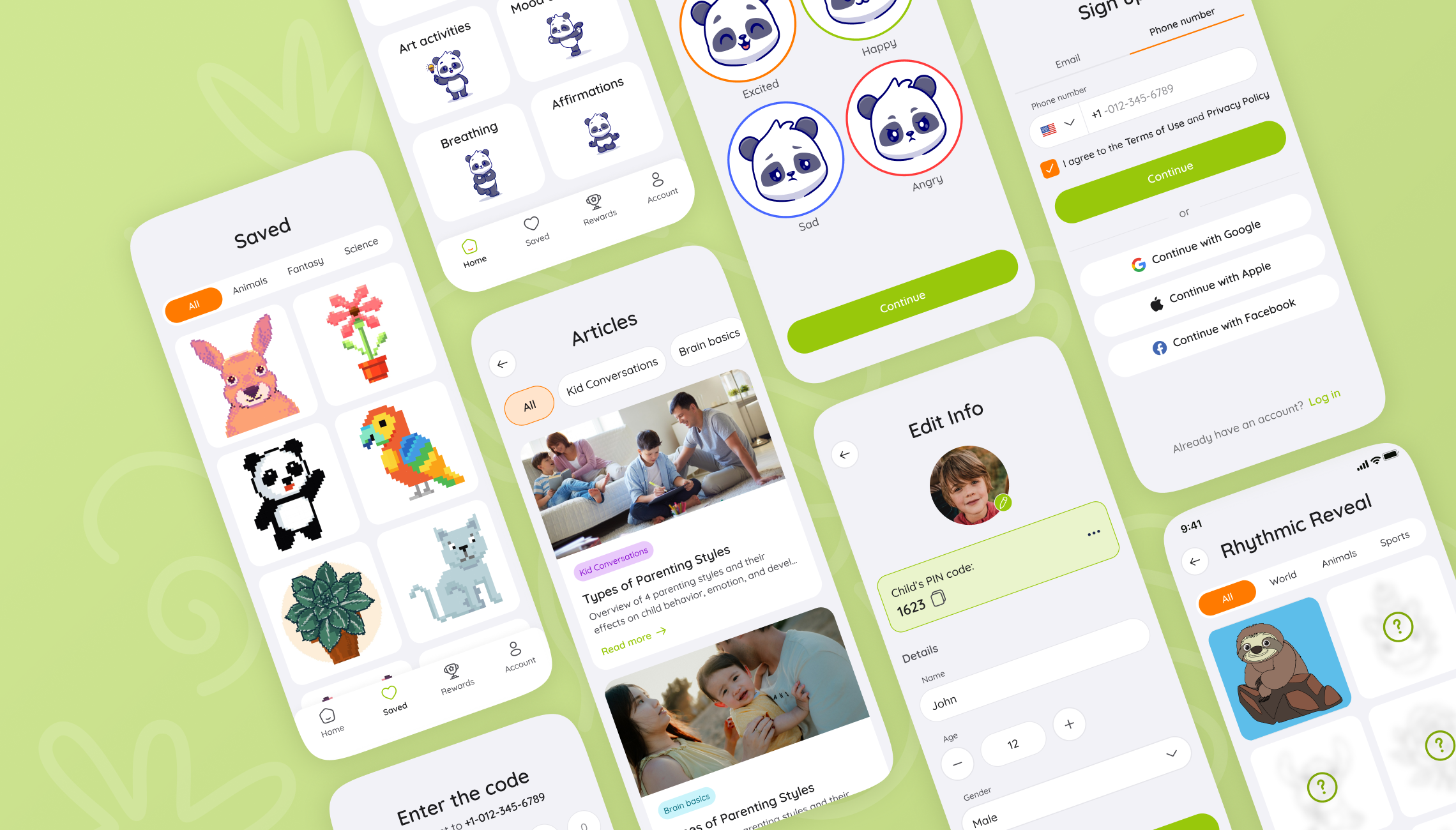
We designed a comprehensive ecosystem that includes:
- A gamified emotional check-in flow for identifying feelings and their triggers.
- A suite of regulation games including Pixel Art and rhythm-based activities.
- Mandatory breathing exercises integrated into the gaming loop to lower excitement levels.
- A "Panda Paws" reward system with a virtual store for mascot customization.
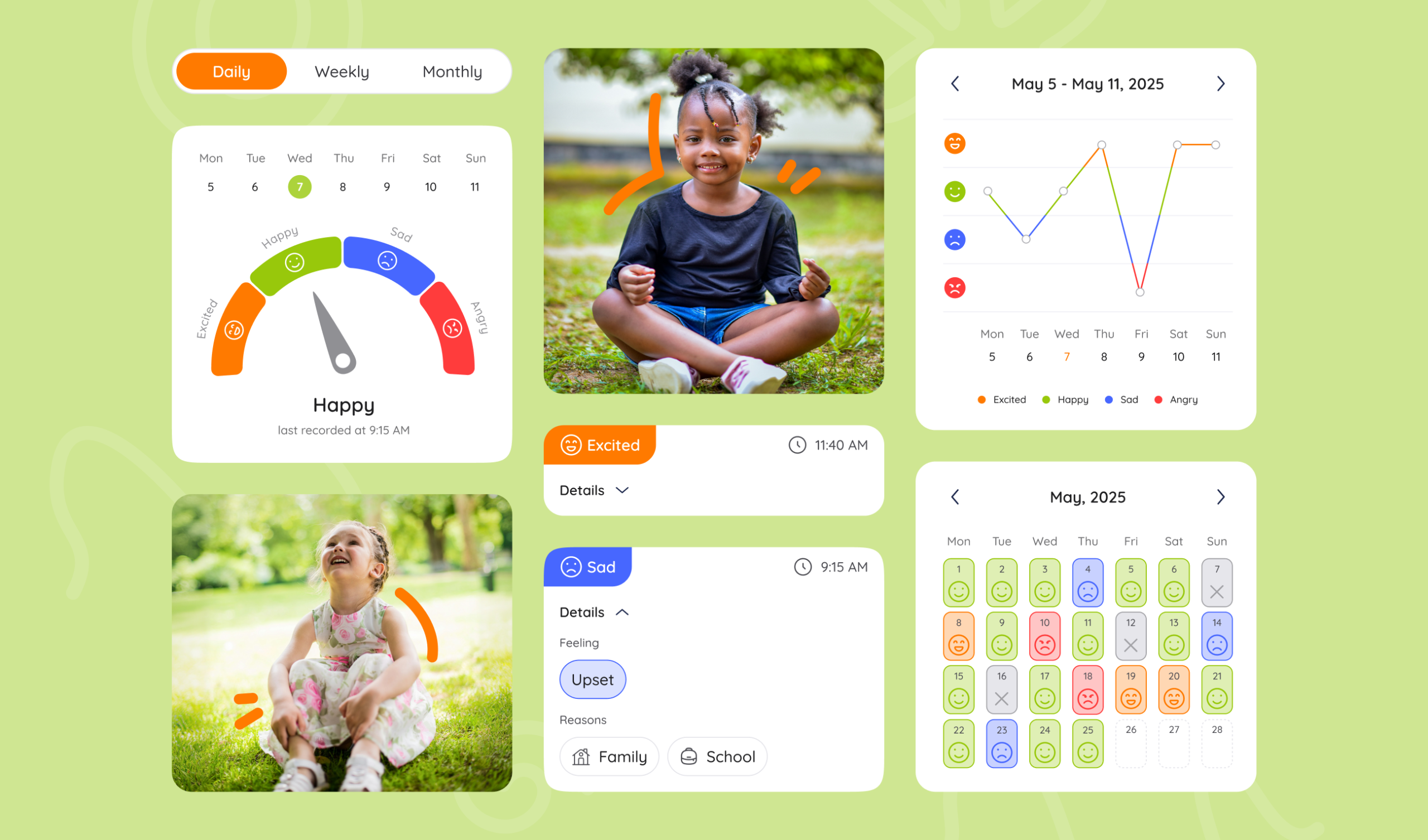
- A Master-Level parent dashboard for monitoring emotional trends and event logs.
- A contextual educational feed for parents with articles tailored to the child's current emotional state.
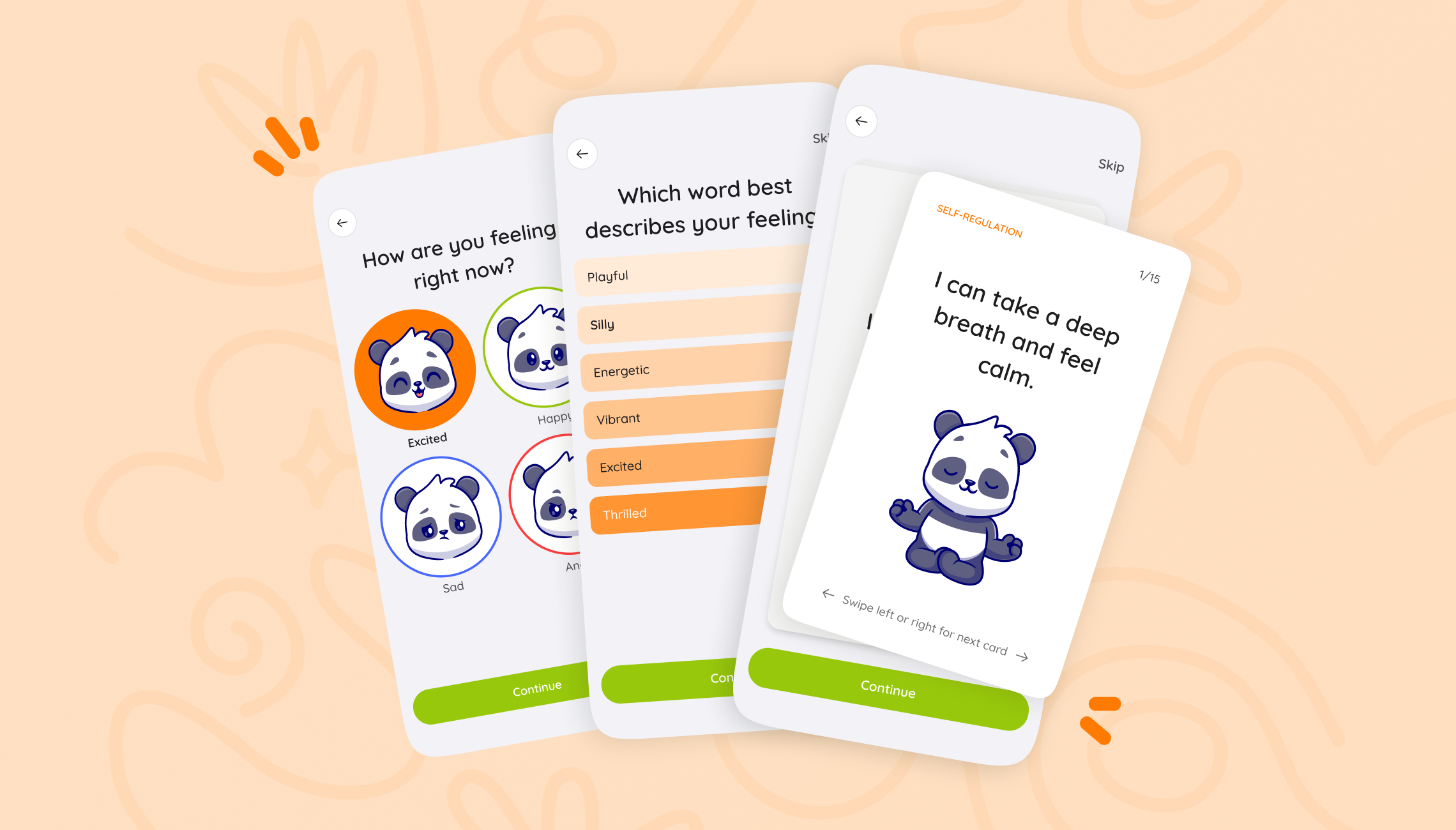
Our process began with a deep discovery phase to translate the client’s psychological expertise into mobile interactions. We spent significant time defining the "Panda" mascot, who serves as both a teacher and a friend, demonstrating breathing techniques and celebrating successes. Because the app is used on shared hardware, we designed a secure PIN-protected transition between the Parent and Child levels.
This allows parents to manage multiple children’s profiles from one device without data contamination. Visually, we leaned into a vibrant yet calming aesthetic that remains consistent throughout the entire app, reinforcing a sense of safety and continuity for both the child and the parent.
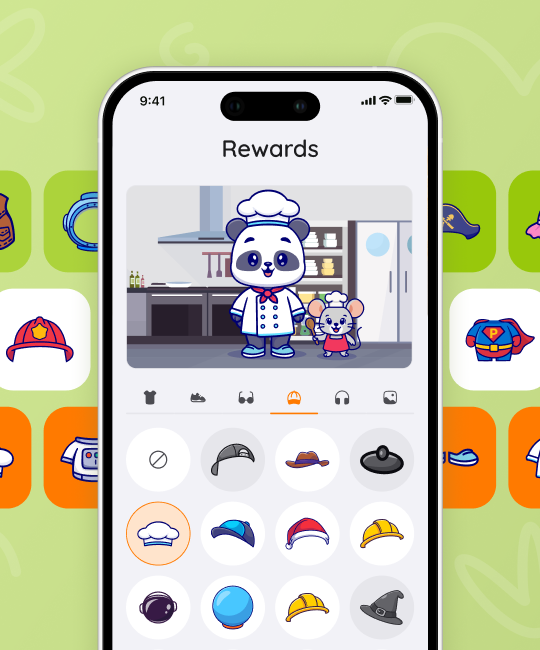
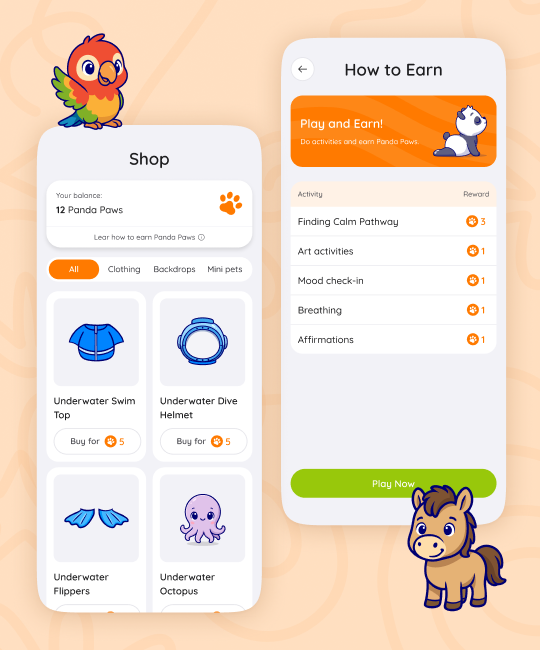
We delivered a high-fidelity Figma ecosystem that balances complex backend logic with a joyful frontend experience. This included a modular design system that allows the client to easily add new games or educational modules in the future. The handoff featured detailed interaction notes for the "Panda Paws" store and the secure profile-switching logic.
By providing a production-ready asset that covers both the child’s play and the parent’s analytical needs, we gave the client a strategic business tool ready to lead the emerging market of family-oriented mental health applications.
The implementation of Creative Calm Kids successfully turned emotional regulation into a rewarding daily habit. The design-led strategy achieved the following results:
- Successful integration of breathing practices into a gaming loop with high child compliance.
- Increased parent engagement through personalized, highly relevant educational content.
- Secure multi-profile management that allows families to use a single device for multiple children.
- Stronger parent-child interactions driven by the app's real-time interaction suggestions.